English| EUR
Suggested for you
More currencies
Choose a language
Beijing's food scene spans centuries of imperial tradition and street-level innovation, but one dish towers above all others in recognition and reverence. Understanding what visitors and locals prize most reveals not just a menu item, but a culinary ritual that has shaped the city's identity for more than six hundred years.
Quick answer
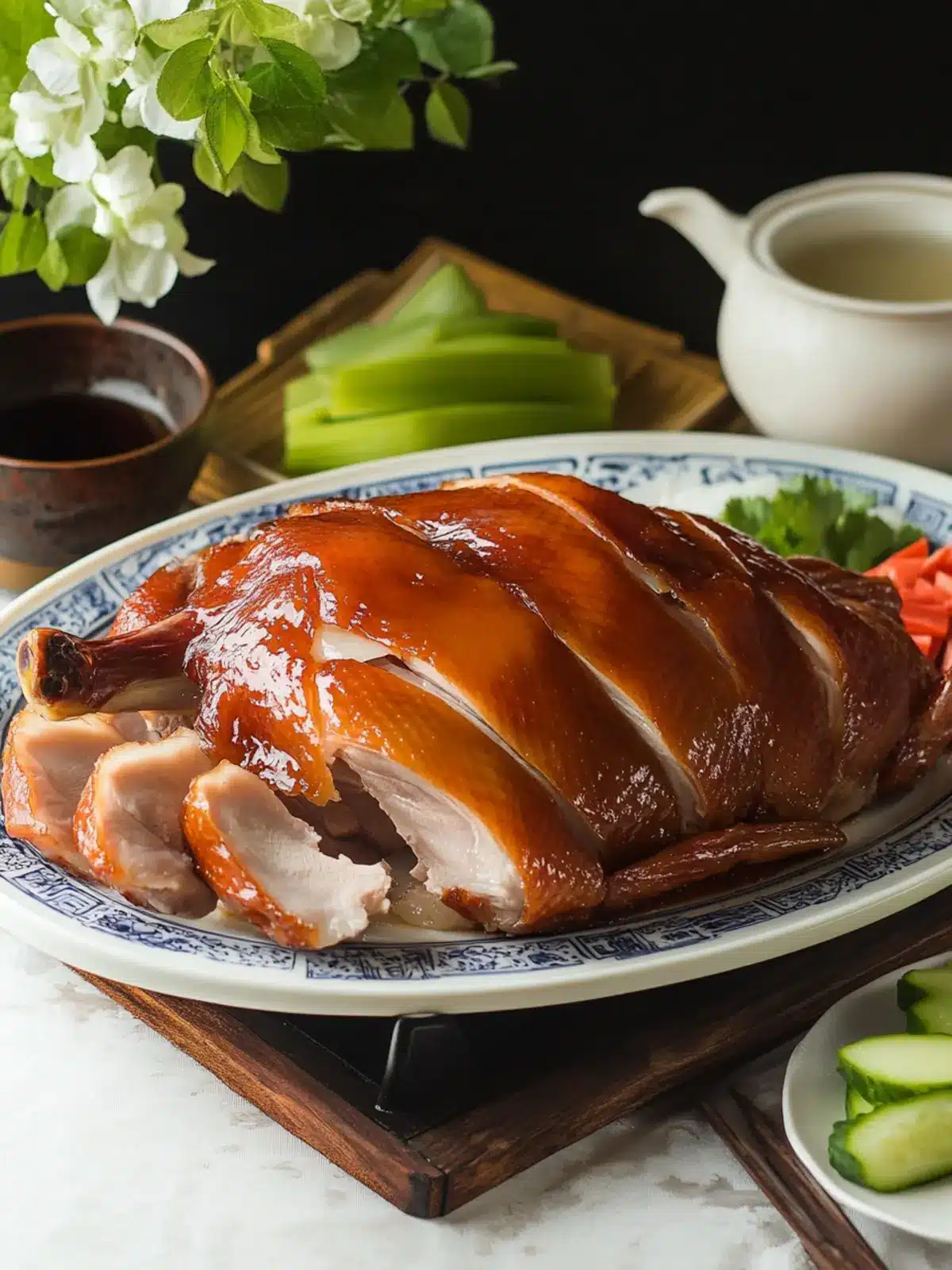
Peking Roast Duck is the most popular food in Beijing, served in hundreds of restaurants across the capital and recognized worldwide as the city's signature dish. The preparation—air-dried whole duck roasted in wood-fired ovens until the skin turns mahogany and shatters like glass—dates to the imperial kitchens of the Ming Dynasty. Peak lunch hours between 11:30 and 13:30 offer the freshest servings, when restaurants complete their morning roasts and carve birds at tableside.
A whole duck takes forty-five minutes in a fruit-wood oven to achieve the lacquered skin and rendered fat that define Beijing's most iconic dish. What is the most popular food in Beijing is not a contested question among food historians or restaurant critics—Peking Roast Duck holds that position without rival, its preparation methods protected by tradition and its reputation carried globally by chefs trained in the capital's century-old establishments. The dish's origins trace to the Forbidden City's imperial kitchens during the Ming Dynasty, when cooks perfected the technique of inflating the duck with air to separate skin from fat, then glazing the bird with maltose before suspending it in closed ovens. By the Qing Dynasty, the method had moved beyond palace walls into specialist restaurants in Qianmen and the hutong districts south of Tiananmen. Today, establishments like Quanjude and Bianyifang—both founded in the 1800s—anchor a dining culture that spans white-tablecloth banquet halls and neighborhood shops where whole ducks hang in glass-fronted ovens. The ritual of service matters as much as the cooking. Carvers work tableside with thin blades, slicing precisely one hundred and eight pieces from a single duck—skin separated from meat, both arranged on platters that arrive with stacks of thin wheat pancakes, julienned scallions, cucumber batons, and sweet bean sauce. Diners build each bite by hand: pancake base, sauce brushed across the surface, three slices of duck with crackling skin, vegetables for contrast, then rolled tight and eaten in two bites. The sequence is so ingrained in Beijing's food identity that restaurants post illustrated guides for first-time visitors. Beyond the mechanics, Peking Duck represents the capital's relationship with precision and theater in cooking. The duck breed itself—force-fed white Pekin ducks raised to exactly sixty-five days—is standardized across suppliers. Oven temperatures follow generations of calibration, and the fruit wood used for fuel is selected for the aromatics it imparts during roasting. This level of control, combined with the visual drama of whole roasted birds and tableside carving, cements the dish as both a technical achievement and a cultural anchor. Visitors seeking an answer to Beijing's most celebrated food need look no further than the mahogany birds turning in every historic district from Dongcheng to Xicheng, their skin glistening under heat lamps as waiters in traditional dress prepare the first cut.
“A whole duck takes forty-five minutes in a fruit-wood oven to achieve the lacquered skin and rendered fat that define Beijing's most iconic dish.”
Peking Roast Duck stands as the definitive culinary symbol of Beijing, with a history rooted in the imperial kitchens of the Ming Dynasty. This iconic dish is celebrated for its meticulously prepared crispy skin and tender meat, served through a traditional carving ritual.
The dish gained prominence during the Ming Dynasty, becoming a staple of imperial cuisine and later appearing in high-end restaurants by the Qing Dynasty.
Quanjude is widely recognized as the restaurant that popularized the hanging oven technique, which remains the standard method for roasting the duck today.
A master chef typically carves the duck into approximately 108 thin slices, ensuring each piece contains a precise ratio of skin and meat.
The meal is characterized by the combination of thin pancakes, sweet bean sauce, and sliced scallions or cucumber, which are used to wrap the duck.
Traditional preparation uses fruitwood, such as jujube or pear wood, to provide a subtle, fruity aroma to the skin during the roasting process.
The duck is roasted until the skin reaches a deep, mahogany color, which is a hallmark of authentic Peking Roast Duck preparation.
The best time to experience Peking Roast Duck is during the peak lunch window of 11:30–13:30, when restaurants prioritize serving fresh, high-quality portions. Planning your meal during these hours ensures you receive the duck at its optimal temperature and texture.
Mild, 15°C to 25°C
Spring offers pleasant weather for walking between dining establishments.
Cool, 10°C to 20°C
Crisp air makes this the most popular season for visiting Beijing.
Cold, -5°C to 5°C
Indoor dining remains comfortable despite lower outdoor temperatures.
—
Arrive between 11:30–13:30 to secure fresh, kitchen-prepared roast duck.
Verdict: For the highest quality experience, visit during April or October and aim for the 11:30–13:30 arrival window.
While learning about or locating Peking Roast Duck involves no admission fees, actual dining expenditures hinge on the specific restaurant class and menu choices.
Verdict: A typical visitor pays 0 CNY for admission, though purchasing a full roasted duck meal usually costs between 150 CNY and 400 CNY per person based on the venue.
Peking roast duck follows a traditional assembly ritual that honors centuries of culinary craftsmanship. Proper technique shows respect for the dish and enhances the dining experience.
Everything you need to know about what is the most popular food in beijing
When exploring the local cuisine, many travelers wonder what is the most popular food in beijing. The undisputed king is Peking Roast Duck, prized for its crispy skin and tender meat cooked in a wood-fired oven. It is traditionally served with thin pancakes, sweet bean sauce, and fresh spring onions.
Siji Minfu and Quanjude are among the most famous Beijing dining landmarks for trying this dish. To enjoy the experience fully, booking a Beijing food tour can lead you to authentic, local establishments away from major tourist crowds.
This legendary dish, known locally as Beijing Kaoya, is meticulously sliced by a chef right at your table. It typically features three distinct parts: the crispy skin, the tender breast meat, and a mix of both. Diners wrap these slices with julienned cucumber and condiments in a delicate wheat crepe.
Yes, there are several other dishes to consider. Zhajiangmian, which consists of wheat noodles tossed in a rich fermented soybean sauce, is a beloved daily staple. Dumplings, or jiaozi, are also highly popular throughout the city.
The best arrival window for this meal is between 11:30 and 13:30, during peak lunch hours. This is when restaurants serve fresh roast duck straight from the wood-fired oven. Planning around this timeframe ensures the meat and skin are at their absolute crispiest.
The entrance fee is 0 CNY because Peking Roast Duck is a culinary dish, not a venue with an entrance fee. However, dining costs vary depending on the restaurant you choose, ranging from budget-friendly local joints to high-end establishments.
Look for establishments that roast their ducks over fruitwood, such as jujube or pear wood, which infuses a subtle fruity aroma. When seeking what is the most popular food in beijing, avoid places that serve pre-sliced or pre-packaged duck, as it loses its signature crispiness.