
English| EUR
Suggested for you
More currencies
Choose a language
Beijing's food landscape stretches across night markets, alley kitchens, and century-old storefronts that operate on rhythms the average visitor never sees. This guide maps the districts, timing, and specific stops that turn a self-directed walk into a structured culinary route—no invented itineraries, no fabricated vendor lists.
Quick answer
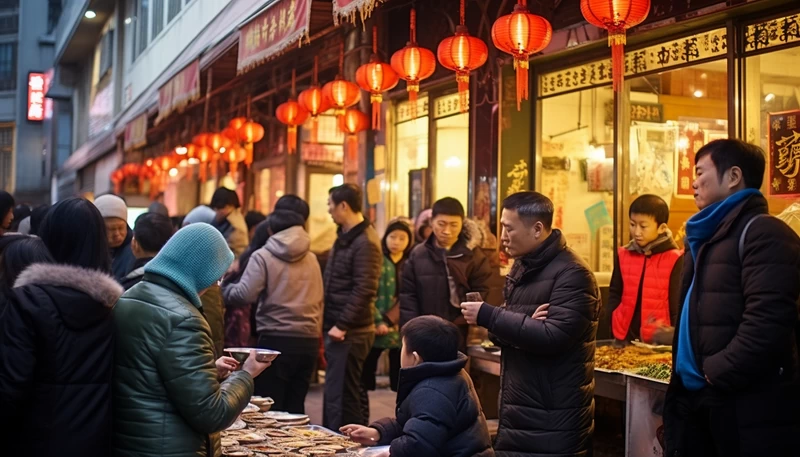
A beijing food tour guide structures your route around evening hours—17:00 to 21:00—when street vendors, night markets, and hutong restaurants reach peak activity. The city requires no entrance fee for public areas, and the best loops combine Wangfujing's tourist-facing stalls with Qianmen's local canteens and the alley networks of Gulou, where family-run spots serve Peking duck, jianbing, and hand-pulled noodles without English menus.
Beijing operates two parallel food systems: the sanitized night markets photographed by every visitor, and the hutong networks where residents queue for noodles at 19:30 on a Tuesday. The former—Wangfujing, Donghuamen—offer scorpion skewers and griddle cake in a controlled theater of stalls; the latter require navigation by landmark rather than address, and most shut their kitchens by 21:00 without ceremony. A beijing food tour guide routes you through both. Start at Qianmen, the restored commercial corridor south of Tiananmen, where century-old brands like Quanjude occupy multi-story buildings and side streets hold dumpling counters that seat eight. Move north into the hutong grid near Nanluoguxiang—narrower alleys, lower rents, higher turnover—where jianbing carts anchor intersections and lamb skewer vendors work portable grills. Finish at Gulou, the drum tower district, where the density of small restaurants peaks after dusk and the menu is written in marker on torn cardboard. Timing determines what you encounter. Arrive before 17:00 and half the vendors are still setting up; arrive after 21:00 and the best stalls have sold out or packed down. The window is narrow, the rhythm is fixed, and the city does not adjust for stragglers. Baijiu appears on tables after 19:00, the grills reach temperature around 18:30, and the hand-pulled noodle shops in Dashilar run through their dough allocation by 20:00 most nights. The culinary tour is not a purchased experience—it is a self-directed walk informed by district knowledge, vendor hours, and the understanding that the best food in Beijing is contextual rather than ranked. A bowl of zhajiangmian eaten at a Formica table on Mao'er Hutong delivers more than a plated duck service in a windowed dining room, not because the recipe is superior but because the context is intact. The food tour succeeds when the eater distinguishes between the two and chooses accordingly.
“The best food in Beijing is contextual rather than ranked—a bowl of noodles at a Formica table often delivers more than a plated service in a windowed dining room.”
Public city areas and street food streets in Beijing remain accessible 24 hours a day, though individual restaurants, food stalls, and markets maintain their own specific operating schedules.
Operating hours for individual vendors may shorten during the colder winter months or vary during major public holidays such as Chinese New Year.
Access to Beijing's historic hutongs, lively pedestrian blocks, and popular street food neighborhoods is open to the public without any admission charges. It is important to distinguish this free public access from the costs of hiring a private food tour guide or purchasing a structured tasting itinerary, as professional guiding services and organized culinary excursions operate independently and charge their own booking fees.
Verdict: While a typical visitor pays 0 CNY for admission to these public areas, the overall cost of your experience is determined by whether you choose to hire a private guide.
Beijing's primary food districts are spread throughout the central Dongcheng and Xicheng districts, making the clean and extensive Beijing Subway network the most efficient transport option. Taxis and ride-hailing services are also widely available for direct journeys to specific hutongs and night markets.
Line 6 or Line 8 to Nanluogu Xiang Station
Line 5 to Beixinqiao Station
Line 2 or Line 8 to Qianmen Station
City center to Dongzhimen Inner Street
To bypass queues at physical ticket machines, download a mobile transit app or link a smart card to your phone before traveling. If taking a taxi to Guijie Street, ask to be dropped off a block away from Dongzhimen Inner Street to avoid gridlock during busy dining hours.
Beijing offers a diverse culinary landscape ranging from refined imperial cuisine to bustling street food corridors. Visitors can choose between iconic established restaurants for traditional dishes or navigate local neighborhood markets for authentic, lower-cost snacks.
street
This thoroughfare in Dongcheng District is known for late-night dining and spicy crayfish. It is a central hub for evening food exploration.
market
Located in the Chaoyang District, this residential area offers numerous affordable eateries serving jianbing and local noodles. It provides a quiet alternative to tourist-heavy zones.
street
This historic hutong area features a mix of traditional snacks and modern cafes. It is well-situated for those walking between historical sites.
restaurant
A historic venue specializing in Peking duck. Multiple locations exist across the city, providing a formal setting for experiencing this specific regional dish.
Prepare these essentials to navigate Beijing's food scene smoothly and sample street vendors with confidence.
Everything you need to know about beijing food tour guide
You can find a professional beijing food tour guide by researching local culinary experts who specialize in regional dishes like Peking duck and jianbing. Look for licensed professionals who can navigate complex hutong alleyways and provide cultural context for each dish. Reviews from other travelers can help you identify a knowledgeable guide who prioritizes food safety and hygiene. Engaging a beijing food tour guide ensures you navigate the city's vast gastronomic landscape with confidence and ease. There is no official entrance fee for general city areas or public night markets where you might sample street food. While independent street dining is free to access, private guided services will have their own pricing structures that cover tasting menus and logistics. Costs for private tours vary based on the duration of the experience and the number of food stops included. Your chosen beijing food tour guide will provide specific details on the costs associated with their service offerings. The best time to experience the vibrant atmosphere of street food markets is between 17:00 and 21:00. This evening window allows you to witness the city's food stalls coming to life after the heat of the day. A beijing food tour guide will typically suggest this time frame to ensure you get the freshest offerings from busy night markets. Most culinary outings are suitable for families as long as the itinerary is customized to your needs. A professional beijing food tour guide can often arrange smaller portion sizes or adjust the route to accommodate younger travelers. Discuss your dietary preferences and any accessibility requirements with your guide before booking your experience. When selecting a guide, prioritize those who have deep knowledge of traditional cooking techniques and regional flavors. A qualified specialist provides more than just recommendations, they share the history behind iconic items like lamb skewers and scallion pancakes. Ensure your guide has experience managing logistics so you can focus on the local flavors. Many travelers enjoy exploring night markets independently, though a guide can help you understand menus written in local characters. While navigating alone is possible, a guide adds depth by explaining cultural etiquette and helping you find hidden gems. Using a guide is a common way to maximize your limited time in the city's bustling food scene.
Must Eat in Beijing
Read more Tickets & toursBeijing Private Food Tour
Read more GuideWhat is the Most Popular Food in Beijing
Read more Tickets & toursBeijing Breakfast Food Tour
Read more Tickets & toursBeijing Hutong Food Tour
Read more Tickets & toursBeijing Street Food Tour
Read more