
9 hr
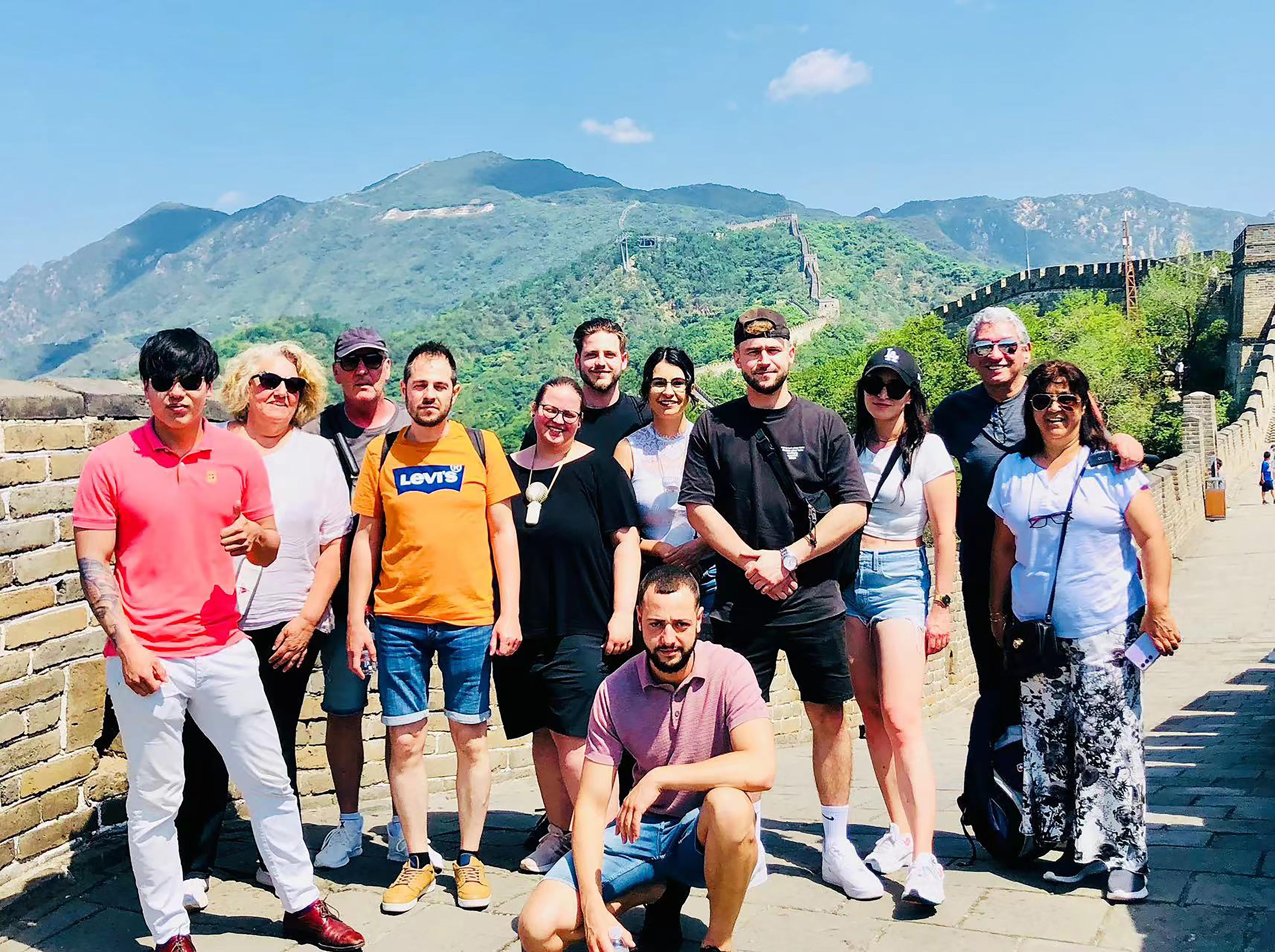
Mutianyu Great Wall Early Morning Tour with Entry & Lunch
Beat the crowds with an 8am departure to one of China's most scenic Wall sections, plus 5 hours to explore
Reserve
Hand-picked by our editors — only the best 5 experiences from 47 reviewed
Verified partners for every tour, free cancellation where available, and instant confirmation on every booking.
9 hr
Beat the crowds with an 8am departure to one of China's most scenic Wall sections, plus 5 hours to explore
Reserve
3 hr 30 min
Explore historic Beijing alleyways while tasting local hotpot, handmade noodles, and rare dishes
Reserve
3 hr 30 min
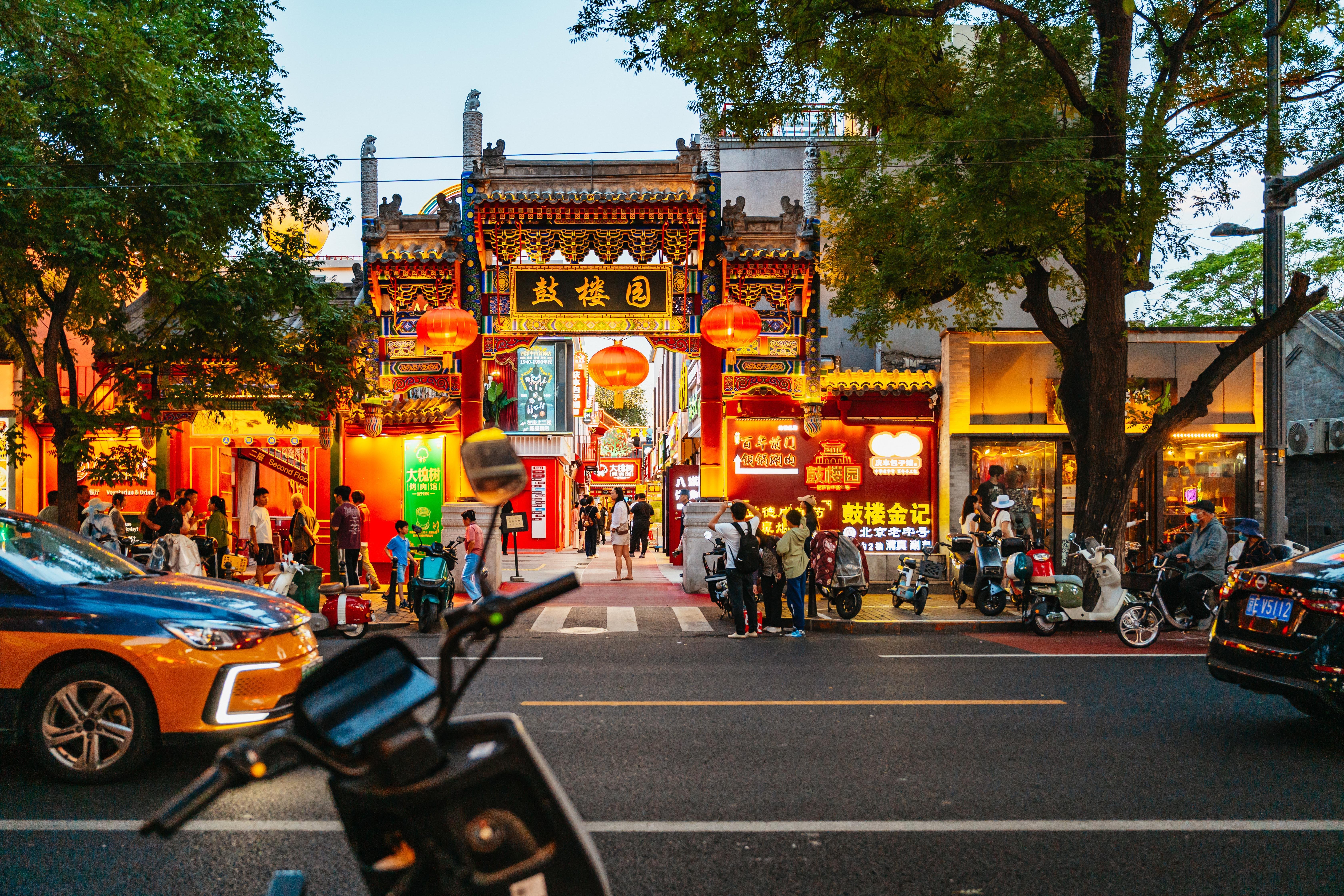
Explore lantern-lit alleyways and historic neighborhoods while tasting authentic local dishes after dark
ReservePrices from verified partners. Availability updates in real time at checkout. Free cancellation policies apply where shown.
The landmarks, rooms, and views travelers on this tour remember — all visible on a single visit.
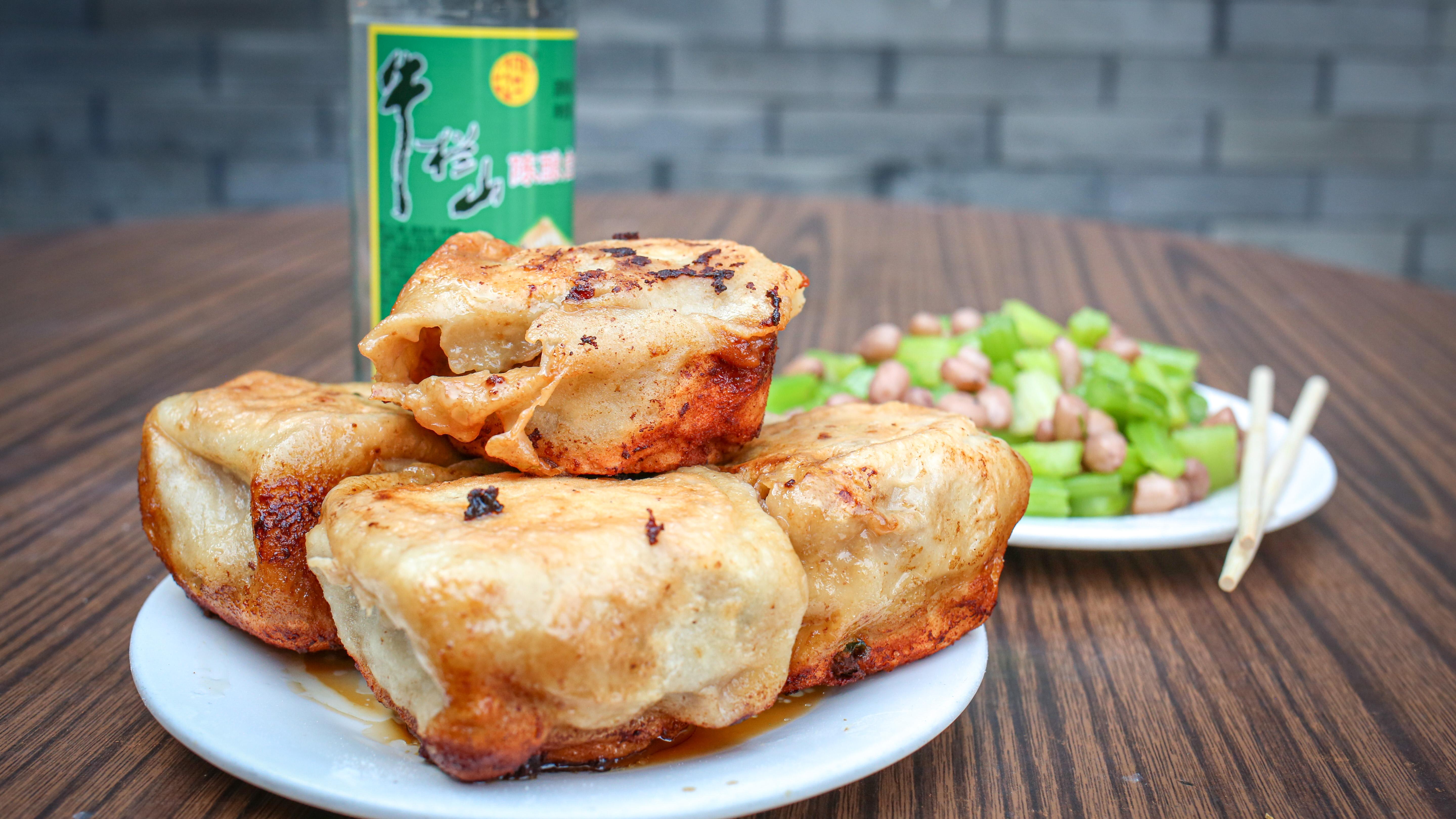
Watch the skillful creation of this savory crepe which is a staple of the city. Most stalls make over 100 of these per morning.
Observe the traditional steaming process for fresh meat and vegetable buns. You will learn the exact pleating techniques used for authentic textures.
See the stone-grinding process used to create fresh, warm soy milk. It is a morning tradition for many local Beijing residents.
Witness the deep-frying process for crispy dough sticks known as Youtiao. These are traditionally dipped into warm bowls of soy milk.
Experience the narrow historical alleys that define Beijing's unique urban fabric. These paths connect the various food shops visited during the tour.
They complement each other, though the beijing breakfast food tour is the superior choice for observing the daily rhythms of local life before the city fully awakens. Most visitors who participate in both activities call the evening street food excursion the more vibrant, social endeavor.
| Feature | Top pick Breakfast Tour | Evening Hutong Walk |
|---|---|---|
Best time of day |
07:00–09:00 | 18:00–20:00 |
Typical food items |
Soy milk and jianbing | Meat skewers and craft beer |
Atmosphere |
Quiet and observational | Lively and social |
Energy level |
Calm and focused | High and energetic |
Typical crowd density |
Low | High |
| See tickets → |
Verdict: Choose the beijing breakfast food tour tickets if you prefer a peaceful start to the day, or select the evening walk if you want to sample Beijing's nightlife culture through these beijing breakfast food tour tours and related culinary experiences.
Choose your ticket, select your date, and reserve in under two minutes. Secure checkout handled by our verified partner.
Instant confirmation by email, with a mobile voucher you can save offline. No printing, no queuing at a collection desk.
Arrive at the entrance, show your voucher on your phone, and walk in. Most tickets include priority or skip-the-line access.
Practical details for your visit straight from our verified partners — hours, access, rules, and how to get there.
Near the entrance to the Drum Tower
Iconic meeting spot for most hutong tours
Use Line 8 to reach Shichahai station for many hutong areas. The station is a short walk from historic districts.
Provide the driver with the specific address written in Chinese. Traffic can be heavy, so plan accordingly.
Wear comfortable walking shoes suitable for narrow hutong alleyways. Dress according to the season, keeping in mind Beijing can be quite hot in August.
Keep personal belongings to a minimum as storage is not provided. Large backpacks may be cumbersome in crowded breakfast stalls.
Photography is permitted at most street food stalls. Always ask the vendor for permission before capturing close-ups of food preparation.
Many traditional hutong locations have uneven pavement and limited wheelchair access. Contact your specific operator to discuss mobility requirements.
Mobile phones are useful for navigation and capturing photos. Ensure your device is charged before starting your morning journey.
The beijing breakfast food tour is generally suitable for families with older children. Be aware that most venues involve standing room only.
This immersive culinary experience is centered on local breakfast staples. Please inform your guide of any allergies prior to the start of the tour.
Pets are not allowed on the tour for health and safety reasons. Please make alternate arrangements for your animals.
As a commercial service, every beijing breakfast food tour varies by provider. Refer to your booking confirmation for specific meeting details.
Near the entrance to the Drum Tower
Iconic meeting spot for most hutong tours
Get directionsBest time to go, insider tips, nearby landmarks, and the cancellation fine print — flip through to skim what matters to you.
How crowds, weather, and events shift across the year.
March to May offers mild weather perfect for walking through the city streets. The beijing breakfast food tour is particularly popular during these clear, cool mornings.
June to August is warm, so early morning departures are essential to avoid the heat. This is the best time to experience the vibrant, early-start culture of local residents.
September to November provides crisp, comfortable temperatures. This season is ideal for a beijing breakfast food tour to explore historical neighborhoods.
December to February is cold, but the morning steam from hot breakfast dishes is a highlight. Dress in layers if choosing this season for your Beijing landmark tour.
Small details that turn a good visit into a great one.
Arrive during the 07:00–09:00 window to see the freshest food being prepared. Shops often run out of popular items by mid-morning.
Carry small denominations of Chinese Yuan. Smaller street vendors may not accept digital payments for every item.
Stay close to your guide in narrow, busy streets. They will navigate the complex hutong layout efficiently.
Beijing hutongs are residential areas. Keep noise levels low and avoid blocking entrances when waiting for your food.
Sample small portions of different items to maximize your culinary experience. Your guide can provide insights on ingredients.
Non-bookable sights within a short walk — free to visit, easy to pair.
A historic structure offering views of the city. It serves as a central reference point for northern hutong tours.
Located near the Drum Tower, this site is historically significant. It provides a look at traditional architectural designs.
A famous hutong alley known for its shops and traditional courtyard houses. It is a prime example of Beijing's historic layout.
A well-preserved mansion showing the lifestyle of the Qing Dynasty nobility. It is located near popular morning food routes.
Flexible, no hidden fees.
Cancellations made within 24 hours of the scheduled start time are non-refundable. For tours canceled earlier, a full refund of the tour price is available.
Hand-picked options within walking distance — pick a district for vibe, or a specific hotel for convenience.
Located within the historical alleyways for an authentic stay.
Convenient access to major subway lines and morning food markets.
High-end stay with modern amenities near the city core.
Beijing's breakfast culture begins at five in the morning, when the first coal fires light beneath steamers in narrow hutong alleyways. The city consumes more than twelve million servings of jianbing before nine o'clock each weekday, a figure that eclipses the entire daily bread production of Paris. These morning rituals stretch back through six dynasties, each leaving its own contribution to the table: Mongol-era shaobing flatbreads, Qing imperial doujiang soy milk traditions, and the hand-pulled noodle techniques that arrived with Shanxi migrants in the 1920s. The hutong breakfast ecosystem operates on a rhythm invisible to most visitors. Vendors occupy the same corners their grandparents worked, often in structures that predate the 1949 founding of the People's Republic. A single alley might hold five generations of technique: the woman rolling jiaozi at dawn learned her pleating pattern from her grandmother, who supplied the Imperial City kitchens in the final years of the Qing. The iron griddles used for jianbing are seasoned across decades, their surfaces darkened by tens of thousands of crepes. Morning food tours through these alleys grant access to a layer of Beijing that closes by ten. The breakfast window is strict. Vendors who wake at four to prep their stations are sold out by mid-morning, and many close entirely once the office rush ends. What remains on offer after nine is a shadow of the earlier abundance. The best youtiao emerges golden and crackling at seven-fifteen; an hour later, the oil has cooled and the texture dulls. The spatial density of hutong breakfast culture concentrates in a handful of precincts: the alleys radiating from Drum Tower, the lanes behind Dashilar, and the residential blocks east of Lama Temple. These zones preserve the courtyard layout that defines old Beijing, where vendors set up in doorways and customers eat standing in the street. The architecture itself enforces the breakfast rhythm. Narrow passages restrict foot traffic, and the absence of through-roads keeps the pace local and unhurried, a tempo that persists only in the early hours before delivery trucks and tour groups arrive.
"The best youtiao emerges golden and crackling at seven-fifteen; an hour later, the oil has cooled and the texture dulls."
A step-by-step walkthrough of the visit — what you'll see, how long each stage takes, and the details that matter.
You meet your guide outside a shuttered teahouse in the pre-dawn quiet, the sky still violet above the tile rooftops. The first stop lies three minutes into the hutong maze: a vendor rolling jianbing on a round griddle, her hands moving in a sequence she has repeated ten thousand times. You watch batter spread thin, egg cracked and swirled, scallions scattered, crisp youtiao folded inside. The crepe comes to you wrapped in paper, steam escaping at the seams. Two alleys over, a window opens onto a kitchen no larger than a closet. Baozi emerge from stacked bamboo steamers, each bun pleated eighteen times and filled with pork and chive or sweet red bean paste. You eat them standing in the doorway, the dough still too hot to hold comfortably. The guide explains the filling ratios, the regional differences in pleating styles, the family lineage of this particular vendor. The route continues through six more stops before eight o'clock: doujiang soy milk served warm in glass jars, shaobing flatbreads blistered in a clay oven, lüdagun rice rolls dusted with soybean powder, jiaozi boiled to order in a cauldron older than the surrounding buildings. By the time you reach the final tasting—a bowl of tofu pudding garnished with preserved vegetables and sesame paste—the alleys have begun to fill with commuters, and the vendors are already packing their stations. You finish just as the breakfast window closes.
For the best experience, arrive within the 07:00–09:00 window when shops are at peak freshness.
You can purchase tickets through our live inventory system.
Many items contain meat, but guides can usually point out vegetarian-friendly options.
Most tours last between 2 to 3 hours depending on the route.
The 0 CNY entrance fee applies as this is a commercial tour service with its own pricing.
Wear comfortable walking shoes suitable for uneven alleyway surfaces.
While children are welcome, the tour involves a fair amount of walking.
Yes, you may photograph the food and surroundings, but please ask vendors before filming them.
The meeting point will be provided in your booking details, usually near a major hutong landmark.