3 hr 30 min
Hidden Gems Food Tour Through Beijing's Hutongs
Taste your way through historic alleyways with hotpot, craft beer, and rare dishes on this 3.5-hour adventure
Reserve
Hand-picked by our editors — only the best 5 culinary walks from 47 reviewed.
Verified partners for every tour, free cancellation where available, and instant confirmation on every booking.
3 hr 30 min
Taste your way through historic alleyways with hotpot, craft beer, and rare dishes on this 3.5-hour adventure
Reserve
3 hr 30 min
Explore historic alleyways after dark with optional local snacks and hot pot dining by the water
Reserve
4 hr
Explore historic alleyways and sample over 15 traditional Beijing street foods with a local guide
ReservePrices from verified partners. Availability updates in real time at checkout. Free cancellation policies apply where shown.
The landmarks, rooms, and views travelers on this tour remember — all visible on a single visit.
Professional guides provide cultural context and curated culinary access, while self-directed visits offer total independence; most visitors who do both find the organized Beijing hutong food tour the more insightful choice for deep-dive local history.
| Feature | Top pick Guided Food Tour | Self-Guided Walk |
|---|---|---|
Content Depth |
High historical context | Limited to signage |
Logistical Ease |
Zero planning required | Requires extensive research |
Food Variety Access |
Curated tastings included | Dependent on personal discovery |
Cost Efficiency |
All-inclusive fee | Pay-as-you-go per vendor |
Pace Control |
Fixed schedule | Fully flexible timeline |
Language Barrier Support |
Professional interpreter included | No external assistance |
| See tickets → |
Verdict: Choose the beijing hutong food tour tours for curated local expertise, or opt for a beijing hutong food tour tour if you prefer setting your own pace without beijing hutong food tour tickets.
Choose your ticket, select your date, and reserve in under two minutes. Secure checkout handled by our verified partner.
Instant confirmation by email, with a mobile voucher you can save offline. No printing, no queuing at a collection desk.
Arrive at the entrance, show your voucher on your phone, and walk in. Most tickets include priority or skip-the-line access.
Practical details for your visit straight from our verified partners — hours, access, rules, and how to get there.
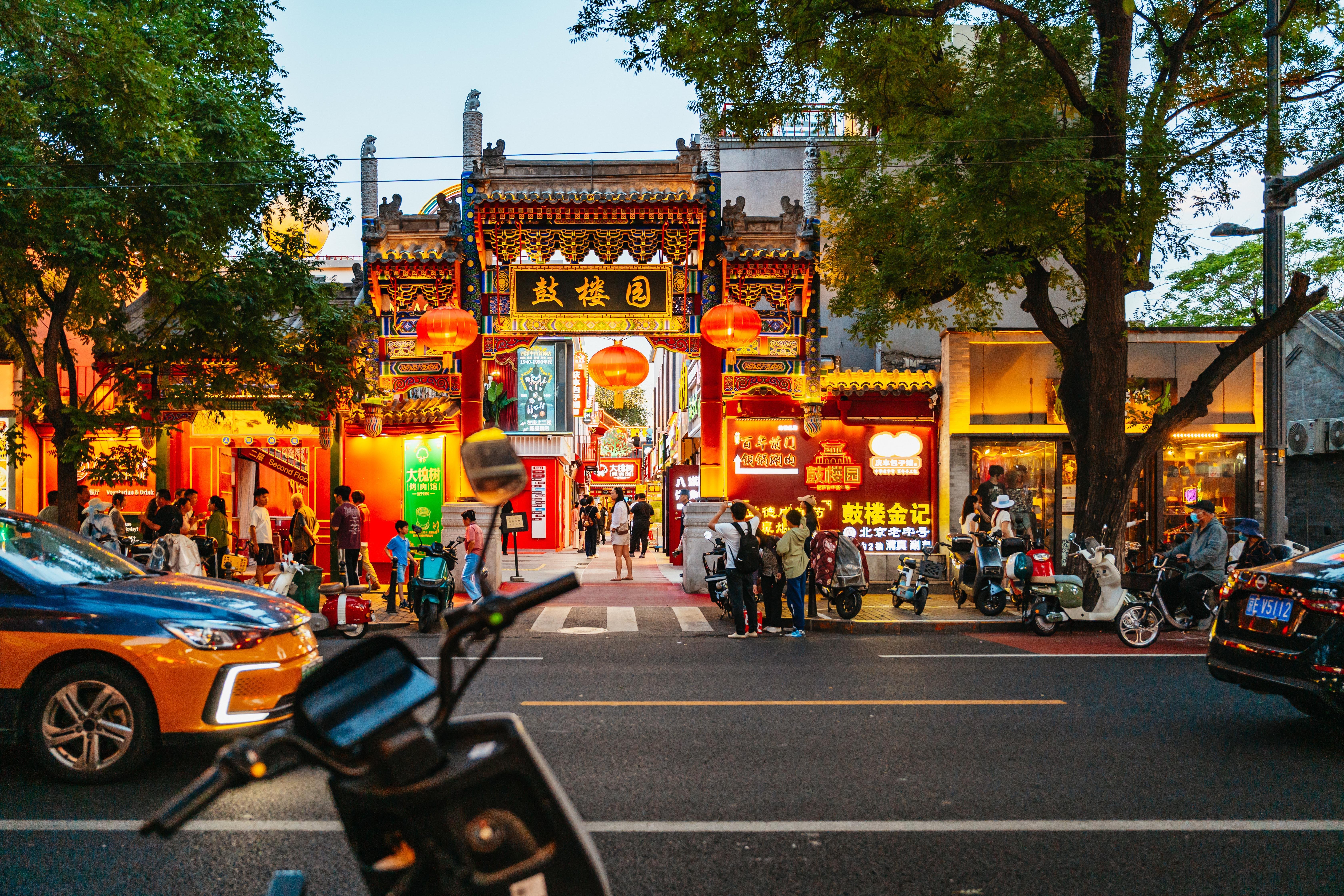
Di'anmen Outer St, Dongcheng
Central historic landmark
Take Line 6 or Line 8 to Nanluoguxiang Station for central access.
Request drop-off at the edge of the historic district.
Wear comfortable walking shoes suitable for uneven stone pathways. Dress in breathable layers appropriate for Beijing summer heat.
Carry a small daypack for your personal items during the beijing hutong food tour. No formal security checkpoints exist in public alleys.
Photography is welcome in these public spaces. Be mindful of resident privacy when capturing the authentic atmosphere of the local neighborhood.
Navigating the beijing hutong food tour can be challenging for those with mobility issues due to narrow lanes and curb heights. Wheelchair access is limited in older residential sections.
Mobile phones are permitted throughout the area. Ensure your device is charged for navigation maps as you move between food stalls.
Children are welcome on these Beijing walking explorations. Keep close supervision as the narrow lanes are shared with bicycles and local delivery carts.
The beijing hutong food tour focuses on local specialties sold by street vendors. Carry cash to purchase snacks directly from these independent sellers.
Pets are generally discouraged during these crowded culinary walks. Local regulations regarding public spaces may apply.
Public hutong areas are free to access; individual vendors charge for food. Respect private residential doorways and windows.
Best time to go, insider tips, nearby landmarks, and the cancellation fine print — flip through to skim what matters to you.
How crowds, weather, and events shift across the year.
March to May offers mild temperatures and blooming flora for a beijing hutong food tour. Outdoor street food activity peaks during these pleasant days.
June to August features higher temperatures and vibrant local life in the shade of ancient trees. Plan for hydration during your beijing hutong food tour.
September to November is widely considered the best time for walking tours in Beijing. The weather is crisp and ideal for exploring.
December to February is cold but provides a quiet perspective of the city. Vendors may have limited hours for this street food experience.
Small details that turn a good visit into a great one.
Start your beijing hutong food tour between 08:00–20:00 to see vendors at their peak activity. This window ensures the freshest market samples.
Carry small denominations of CNY for individual food purchases. Many local vendors do not process digital payments from international cards.
Treat the alleys as residential neighborhoods first. Avoid loud noises and do not enter private courtyards during your city landmark tour.
The weather in Beijing changes quickly during the summer. Light layers help you adjust for indoor and outdoor temperatures.
Keep a water bottle handy as you navigate the narrow lanes. Walking adds up quickly during a full-day beijing hutong food tour.
Hutongs can be maze-like and signal may fluctuate. Download local navigation maps before starting your Beijing adventure.
Non-bookable sights within a short walk — free to visit, easy to pair.
A massive 13th-century structure offering views of the city layout.
Located near the Drum Tower, this site features a historic bronze bell.
A famous lane known for its traditional courtyard houses and shops.
An expansive, well-preserved estate with beautiful gardens.
Flexible, no hidden fees.
As per individual booking terms for your beijing hutong food tour. Please check your specific confirmation for refund eligibility regarding the 0 CNY public access portion.
Hand-picked options within walking distance — pick a district for vibe, or a specific hotel for convenience.
Located near the heart of the alleyways.
Close to major transport hubs and street food areas.
Beijing's hutong network — over 400 remaining alleyways — predates the Forbidden City by three centuries, with the oldest lanes laid during the Yuan Dynasty in 1267. The word itself derives from the Mongolian hottog, meaning "water well," because every courtyard cluster shared a communal source. While the imperial core drew global attention, the hutongs remained the city's metabolic tissue, where coal sellers, noodle carts, and Opera singers occupied the same ten-metre-wide corridors. By the early 20th century, more than 6,000 hutongs threaded through the capital; today, Dongcheng and Xicheng districts preserve the densest culinary concentration, where multi-generation vendors still operate from doorways unchanged since the Qing collapse. A Beijing hutong food tour threads the gap between relic and living infrastructure. These are not heritage museums with velvet ropes — grandmothers still fold baozi at 5 a.m., coal smoke still rises from lamb skewer grills, and the scent of black vinegar and Sichuan peppercorn drifts across stone thresholds worn concave by foot traffic. Jianbing, the mung-bean crêpe cooked on a circular griddle and folded around scallions, crisp wonton skin, and fermented doubanjiang, remains the default breakfast. Stewed offal, sold from steel vats in winter, competes with sesame tang hulu (candied hawthorn skewers) and hand-pulled noodles stretched to two metres before the boil. Each alley sustains its own micro-economy of taste, from the vinegar-forward Shanxi belt near Nanluoguxiang to the Hui Muslim quarter west of Houhai, where halal lamb dominates and pork is absent. The hutongs also encode spatial memory. Courtyard homes — siheyuan — open inward, so street life unfolds in the threshold space: folding chairs, chess tables, drying laundry, and the makeshift stalls that sell everything from doujiang (soy milk) to Yunnan flower cakes. Walk these alleys mid-morning and you navigate a economy older than the subway system. Walk them at dusk and the char smoke from roadside grills turns the light amber. The food itself carries no English subtitles and rarely adjusts for foreign palates — chili oil is measured generously, star anise and cassia bark season every broth, and the default question is whether you want more vinegar, not less. This is the vernacular table, untranslated and unapologetic, where the city's 700-year appetite is still legible in every skewer, dumpling, and clay-pot stew.

"These are not heritage museums with velvet ropes — grandmothers still fold baozi at 5 a.m., coal smoke still rises from lamb skewer grills, and the scent of black vinegar and Sichuan peppercorn drifts across stone thresholds worn concave by foot traffic."
A step-by-step walkthrough of the visit — what you'll see, how long each stage takes, and the details that matter.
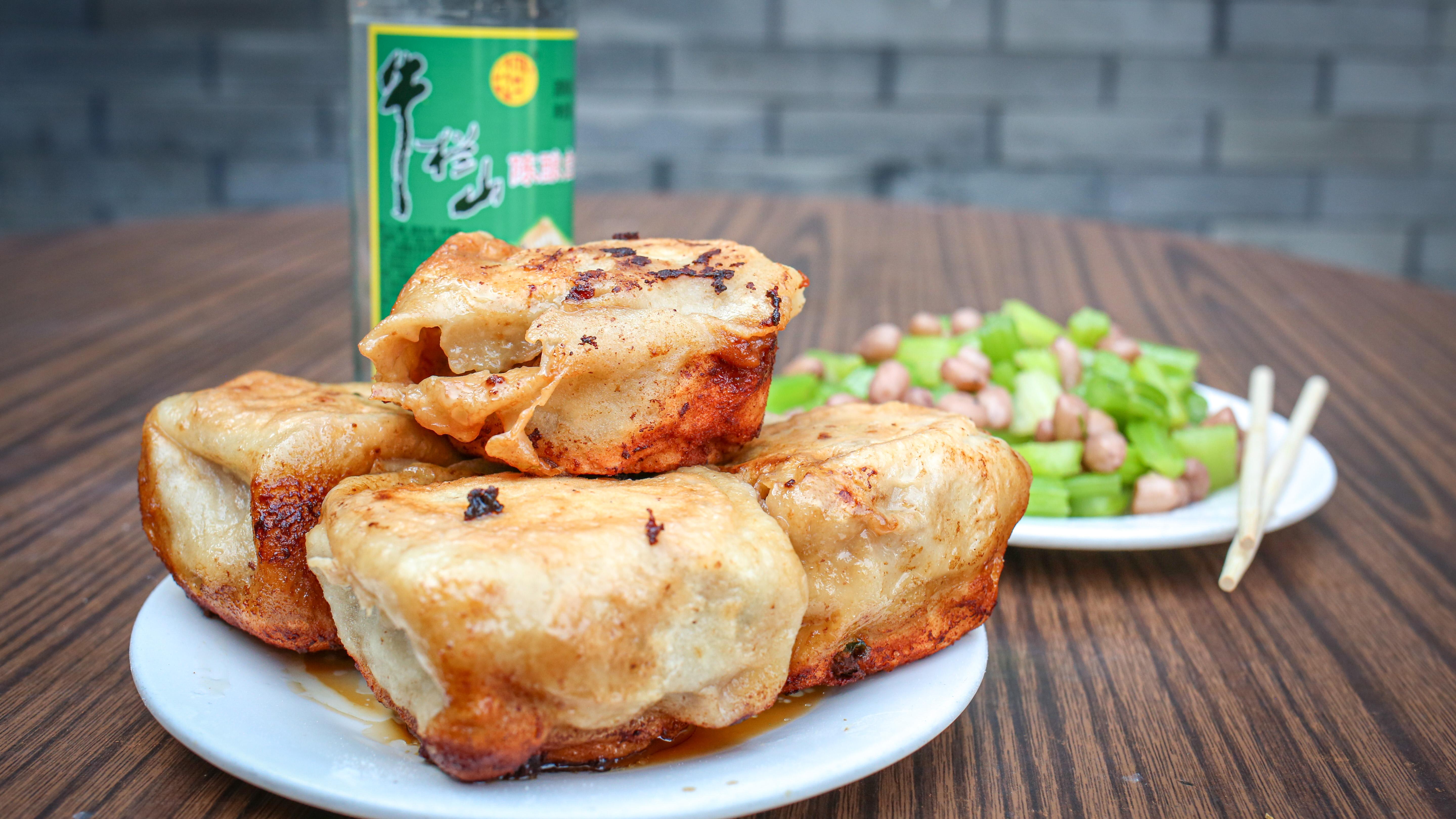
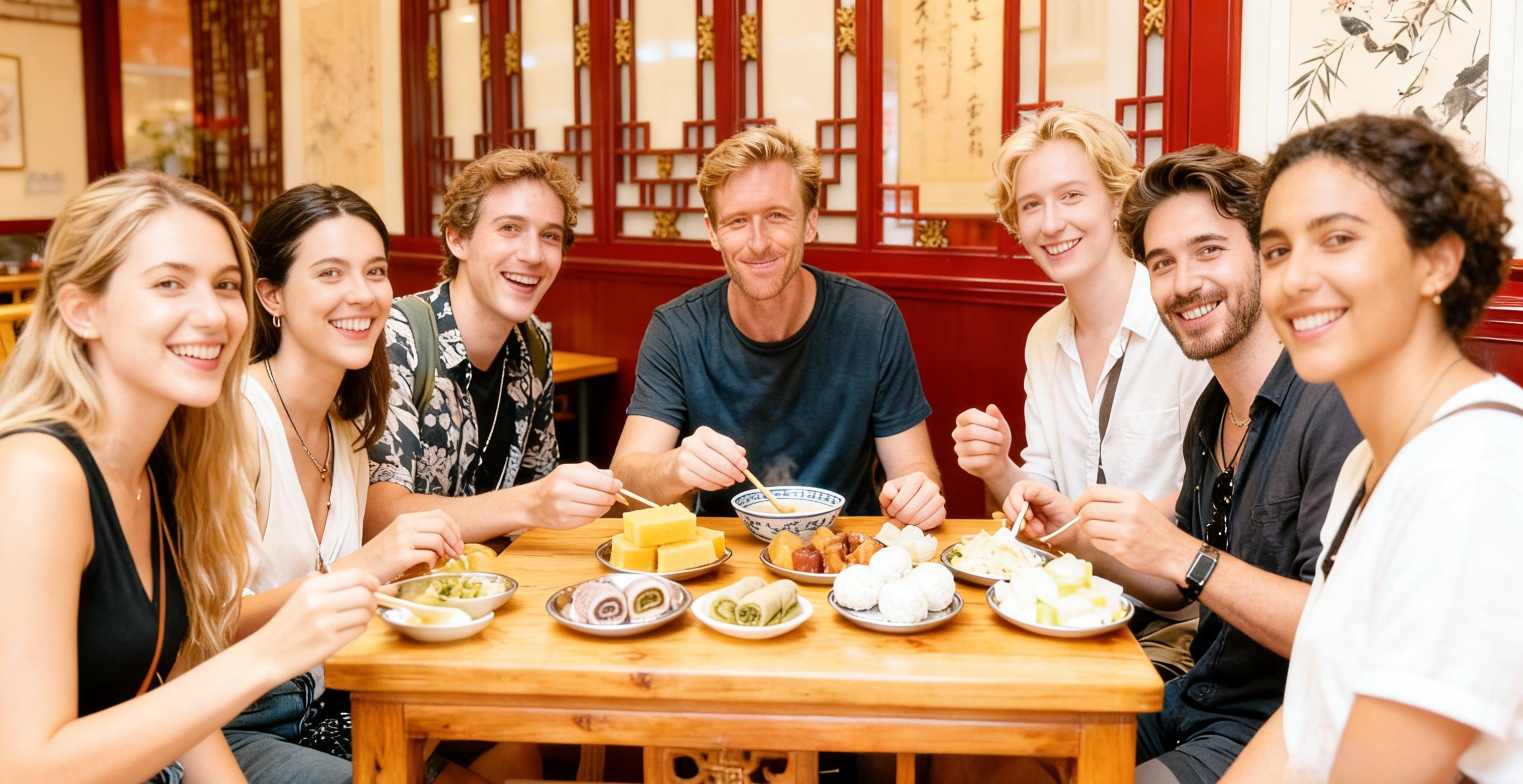
You meet your guide at the mouth of a narrow lane in Dongcheng, where the morning light slants across grey brick and curved tile eaves. The first stop is a jianbing cart — you watch the vendor ladle batter onto a circular griddle, crack an egg, scatter scallions and cilantro, then fold the whole crêpe around a square of fried wonton skin. You eat it standing, vinegar and chili oil running to your wrist. Two alleys east, you pause at a baozi window where bamboo steamers stack four high. The vendor hands you three: one filled with pork and cabbage, another with red-bean paste, the third with lamb and cumin. You walk as you eat, passing stone doorways and potted pomegranate trees, the architecture compressing sound into a soft acoustic. Mid-morning brings you to a clay-pot stall where pork intestine simmers in star anise broth. You're given a small bowl, a pair of chopsticks, and a side dish of pickled radish. The vendor speaks no English but points to the chili oil; you nod. Around you, older residents sit on folding chairs, playing cards and drinking tea from glass jars. By noon you've tasted fifteen items — lamb skewers dusted with cumin, cold sesame noodles, stir-fried liver, candied hawthorn. The hutong tour concludes near a communal courtyard where bicycles lean against walls papered with fading advertisements. Your guide offers one last item: a sesame flatbread, still warm, bought from a wood-fired oven built into the alley itself.
Public hutong areas are accessible 00:00–23:59 daily. The best time for food vendor activity is 08:00–20:00.
Accessibility varies due to uneven pavement and narrow lanes. Some parts of the beijing hutong food tour may be difficult for wheelchairs.
Public hutong areas are free to access; individual vendors charge for food. Always confirm if your specific booking includes guide fees.
The optimal arrival window is 08:00–20:00. This is when vendors are most active and the hutong atmosphere is vibrant.
Standard prohibited items include drones and professional film gear. Be respectful of local residential space during the beijing hutong food tour.
Photography is permitted in public alleys. Please be sensitive to the privacy of residents living in these historic areas.
Yes, children are welcome on a beijing hutong food tour. Ensure they are supervised, as alleys are shared with local traffic like bicycles.
The hutongs are located in Dongcheng and Xicheng Districts. Public transport to stops like Nanluoguxiang is highly recommended.
Bring comfortable walking shoes, cash in CNY for snacks, and a portable charger. Sunscreen is also advised for summer days.