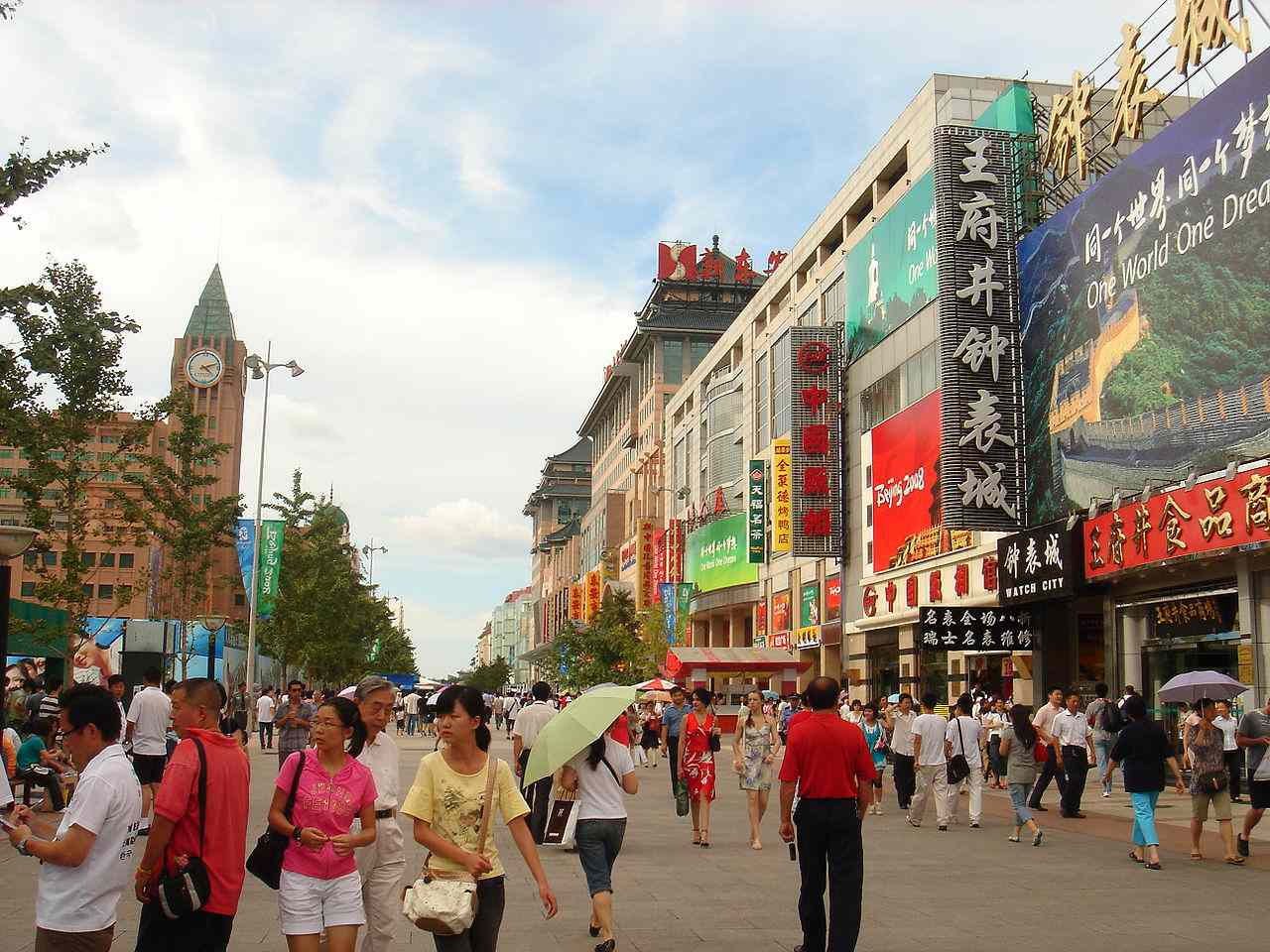
Wangfujing Shopping Street
5 min walk
This famous pedestrian zone is immediately accessible, offering a modern contrast to the traditional dining experience.

Beijing's dining landscape spans centuries-old recipes and neighborhood kitchens that have fed generations of locals. This guide walks you through the signature dishes that define the city's culinary identity, the restaurants where they're prepared best, and the practical details that turn a meal into a story worth retelling.
Quick answer
The must eat in beijing centers on Peking duck at Quanjude's Wangfujing location, open daily from 11:00 to 21:30 with free entry and payment per dish ordered. Arrive between 11:00 and 12:00 to secure a table before the lunch rush, when wait times can extend past an hour. The restaurant sits at 11 Shifuyuan Hutong in Dongcheng District, accessible by subway.
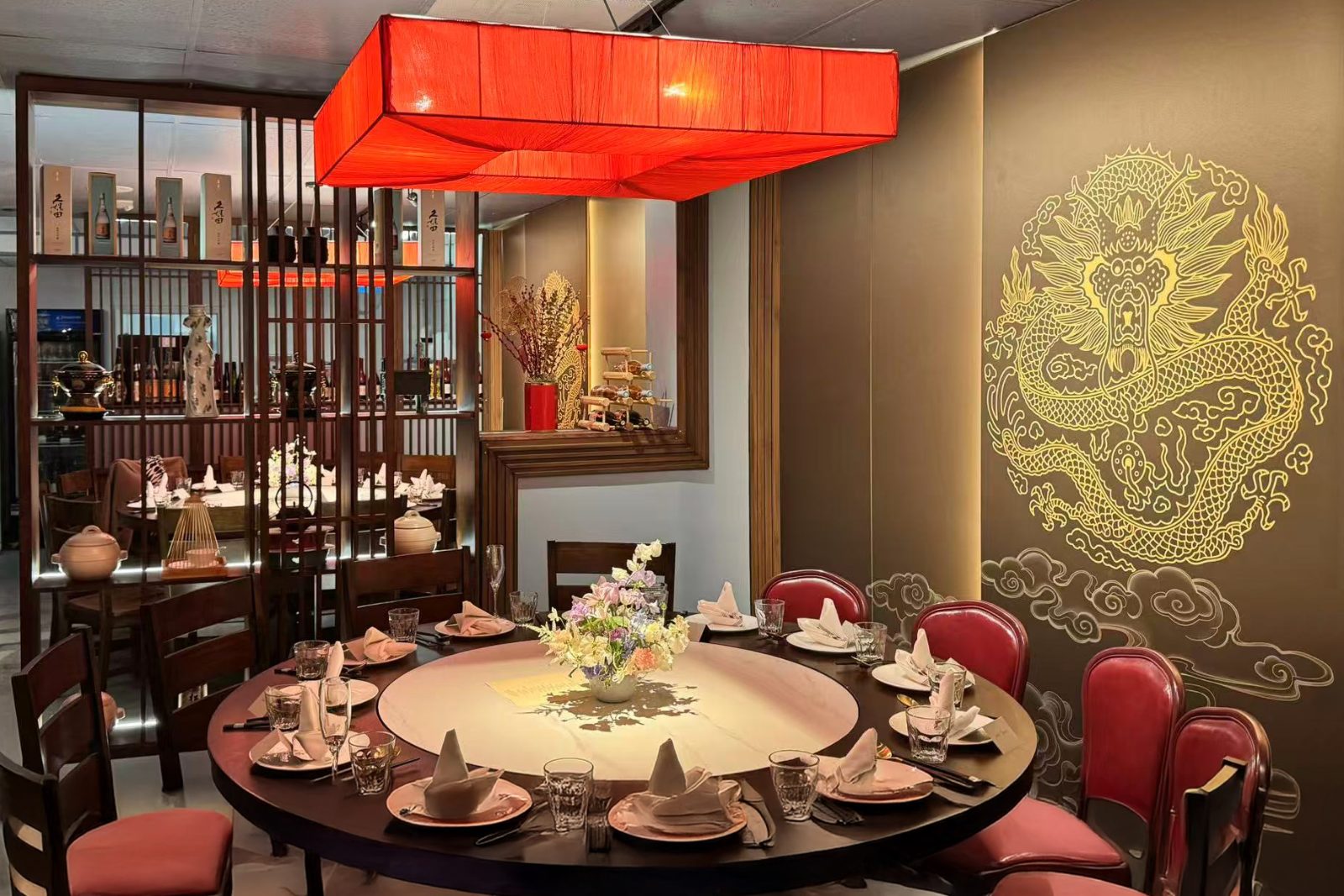
Quanjude has roasted duck over jujube-wood flames since 1864, and the Wangfujing branch holds the technique to a standard that locals measure other restaurants against. The kitchen hangs each bird in a closed oven where radiant heat crisps the skin without drying the meat, a method that produces the mahogany lacquer and paper-thin crackle that made Beijing duck a national signature. Ordering here is straightforward: most diners request the whole duck, carved tableside into 108 slices, served with thin pancakes, sweet bean sauce, and julienned scallion. The menu extends beyond duck to cold dishes like mustard-dressed wood-ear mushrooms, stir-fried kidneys with chive flowers, and slow-braised sea cucumber in thick brown sauce. These are the dishes that fill the tables of Beijing families marking occasions, and they reward ordering in groups. The dining hall seats over three hundred, arranged in booths and round tables under red lanterns, with a steady hum of Mandarin and the clatter of ceramic spoons against bowls. Quanjude operates without reservations for walk-in diners, which makes timing critical. Weekday lunches draw office workers and tourists in equal measure, while weekend evenings see multi-generational family gatherings. The kitchen stays open through the afternoon without a break, allowing flexible meal times for those arriving mid-afternoon. Payment is made after the meal, with the average spend running 150 to 250 CNY per person depending on the number of side dishes ordered. The best Beijing food experiences require understanding what you're eating and why it tastes the way it does. Peking duck's signature flavor comes from the malt-sugar glaze brushed onto the skin before roasting, which caramelizes under high heat. The pancakes should be warm, the sauce applied sparingly, and the scallion left raw to cut through the richness. Once you understand the structure, the meal becomes less about novelty and more about technique, repetition, and a city's insistence that some recipes are worth preserving exactly as they were.
“The kitchen hangs each bird in a closed oven where radiant heat crisps the skin without drying the meat, a method that produces the mahogany lacquer and paper-thin crackle that made Beijing duck a national signature.”
Beijing offers a diverse culinary landscape ranging from refined roast duck establishments to bustling street food markets. Exploring these options provides a comprehensive view of the city's traditional flavors.
restaurant
Located at 11 Shifuyuan Hutong, this venue serves the historic Beijing roast duck prepared in traditional ovens.
street
This area near the main Wangfujing shopping district offers a variety of regional Chinese snacks and skewered treats.
market
Situated in the Dongcheng District, this market features a wide array of local small bites and quick meals.
restaurant
A popular choice for locals seeking authentic duck near the city center, often requiring a wait during peak hours.
Quanjude was founded in 1864 by Yang Quanren, a merchant who acquired a failing fruit shop in Beijing's Qianmen district during the late Qing Dynasty. Yang hired a former imperial chef who brought the hung-oven roasting technique from the Forbidden City kitchens, where crisp-skinned duck had been prepared for emperors since the Ming era. The restaurant's name combined Yang's given name with the character for benevolence, signaling its ambition to serve dishes worthy of the capital's most discerning palates. By the 1890s, Quanjude had refined the closed-oven method that sealed heat around each bird, rendering the skin amber and translucent without the smoke of open flame. This innovation distinguished it from competitors who still relied on open roasting, and the restaurant's reputation spread beyond Beijing's inner walls. Dowager Empress Cixi was rumored to have sent eunuchs to procure ducks for palace banquets, cementing Quanjude's status among the culinary must eat in Beijing establishments of the era. After the fall of the Qing in 1912, Quanjude adapted to serve Republican officials and foreign diplomats, expanding to a second location near Wangfujing in 1979. The restaurant survived nationalization in 1956 and reopened as a state enterprise, preserving its brick ovens and multi-generational carving techniques through decades of political upheaval. Today, visitors to the Wangfujing branch witness the same hung-oven apparatus in the open kitchen, where ducks rotate on hooks above fruit-wood embers, and fifth-generation chefs carve each bird into precisely 108 slices at tableside—a continuity of method that links contemporary diners to the imperial banquet tradition that shaped Beijing's essential dishes.
Yang Quanren founded Quanjude in Qianmen, hiring a former imperial chef to introduce hung-oven roasting from the Forbidden City.
The restaurant refined its closed brick-oven technique, distinguishing it from open-flame competitors across Beijing.
Following the fall of the Qing Dynasty, Quanjude adapted to serve Republican officials and international diplomats.
The restaurant was nationalized and reorganized as a state enterprise, preserving its traditional roasting methods.
Quanjude opened a second location near Wangfujing, expanding its presence in central Beijing.
The Wangfujing branch renovated its dining halls while maintaining the original hung-oven kitchen and tableside carving rituals.
There is no cost to enter the restaurant, as the establishment operates on a pay-per-item basis for all food and beverages ordered. Your total dining budget is determined entirely by your individual selection from the menu.
Verdict: A typical adult pays 0 CNY for entry, with total costs fluctuating based solely on the specific dishes and quantities selected.
The venue maintains a consistent operational schedule throughout the week, welcoming diners from late morning until evening. It remains open daily to accommodate visitors.
To experience the Beijing dining scene efficiently, plan your visit during the daily arrival window of 11:00–12:00. Arriving early during this period allows you to secure a table and avoid the extended wait times associated with peak lunch hours.
Mild temperatures (15°C–25°C)
Pleasant weather makes walking between food locations comfortable.
Cool, dry air (12°C–22°C)
This period offers the most stable conditions for exploring local eateries.
—
Visiting on weekdays before the weekend rush ensures faster service and easier seating.
Hot and humid (25°C–33°C)
Expect heavy foot traffic and higher temperatures throughout the city.
Verdict: For the most efficient experience, plan your visit for Tuesday to Thursday, arriving between 11:00–12:00 during the months of April or October.
The location is situated at 11 Shifuyuan Hutong in the Wangfujing area of Dongcheng District. The most efficient way to reach this destination is by using the Beijing Subway network.
Line 1 to Wangfujing Station
Direct to Shifuyuan Hutong
From Wangfujing Station Exit B
Arrive between 11:00–12:00 to avoid long queues during peak lunch hours. Upon exiting Wangfujing Station, follow signs for the Wangfujing pedestrian street before turning into Shifuyuan Hutong.
The location at 11 Shifuyuan Hutong places you in the heart of the Dongcheng District, making it easy to combine a meal with visits to significant cultural landmarks. These historic sites are within convenient travel distance, allowing for a seamless transition from dining to sightseeing.
5 min walk
This famous pedestrian zone is immediately accessible, offering a modern contrast to the traditional dining experience.
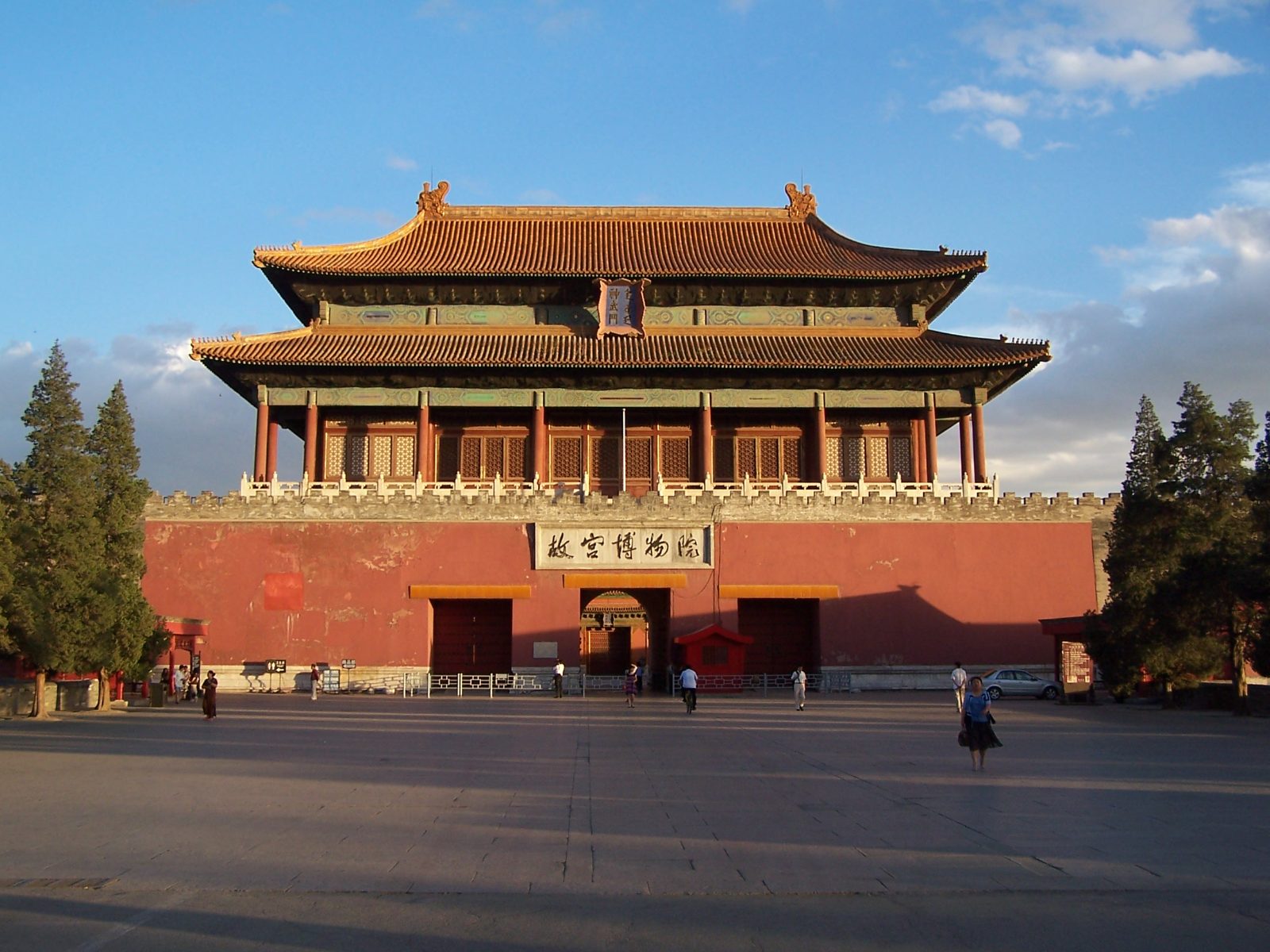
20 min walk
This expansive imperial palace complex provides a logical next step for those exploring Beijing's historical center.
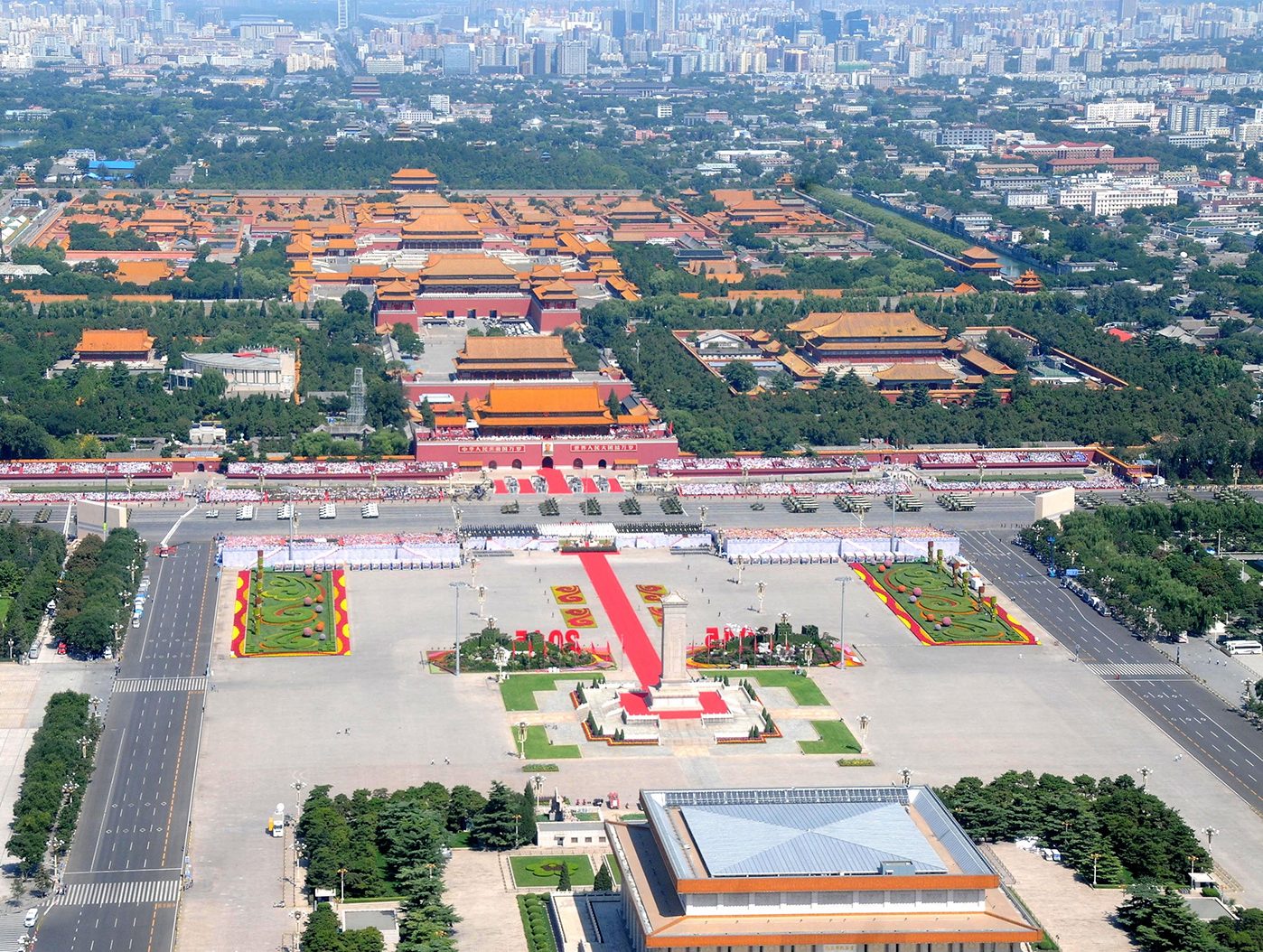
25 min walk
Located just beyond the palace, this significant public space is easily reachable for an afternoon of city exploration.
Everything you need to know about must eat in beijing
The restaurant is located at 11 Shifuyuan Hutong, Wangfujing, Dongcheng District, Beijing, China. You can reach the staff directly by calling +86-10-6513-3105 for inquiries. Ensure you have these details ready when navigating the area to locate your must eat in beijing destination.
Beijing Private Food Tour
Read more GuideWhat is the Most Popular Food in Beijing
Read more Tickets & toursBeijing Breakfast Food Tour
Read more Tickets & toursBeijing Hutong Food Tour
Read more Tickets & toursBeijing Street Food Tour
Read more GuideBeijing Food Tour Guide
Read more